Zurich scheduling reference

Exhibiting in Orlando from Switzerland Stand Rental Planning Guide

Separate the rented architecture, imported goods, artwork reviews, organizer inputs, venue inputs, and quoted field scope before the project moves forward.

Plan a Switzerland-to-Orlando exhibition stand with conditional customs guidance, time-zone reviews, verified events, and defined project responsibilities.

Request a Custom Quote Quote response within 24 hours
Call (689) 698-5890
Since 2014Operating experience500+Builds completedOrlando facilityPresidents Drive operations
Editorial concept for Switzerland exhibitors planning an Orlando exhibition stand
International project planningSwitzerland to Orlando stand planning
Operating since 2014Established exhibit program experience
500+ builds completedAcross varied footprints and programs
In-house graphicsArtwork preflight, production, and finishing
Nationwide logisticsShow-to-show and return routing support
Country-specific Orlando planning

Plan the stand, imported goods, approvals, and field inputs as separate workstreams

This guide is written for a team using Zurich as its scheduling reference. It does not imply an office, affiliate, customer history, customs service, or fixed scope in Switzerland.

  • Locally rented exhibition stand architecture
  • Imported product and sample decisions
  • Artwork and technology reviews
  • Current organizer and venue inputs
Substantive country guide

Exhibiting in Orlando from Switzerland

Eight independent planning sections connect the country team’s review cadence to a source-bounded Orlando project plan.

01Separate the architecture from imported goods

Why rent the Orlando stand locally

Exhibiting in the United States requires evaluating the logistical differences between shipping an entire exhibition stand from Switzerland and sourcing rented architecture domestically. Transporting heavy structural elements across the Atlantic involves substantial freight expenses, extended transit times, and complex documentation. By choosing to rent a trade show booth locally, organizations can bypass the logistical hurdles associated with international shipping for large structural components. This approach allows teams to focus their resources on preparing their core presentations and materials. The project proposal confirms included work and named responsibilities for the rented structure. Meanwhile, companies can still import their specific products, samples, equipment, and giveaways separately. This separation of rented architecture from imported demonstration items streamlines the planning process and reduces the volume of materials crossing international borders.

02Assign border work to the right provider

Freight and customs from Switzerland

When bringing items from Switzerland to the United States, all imported goods must be assigned to a separately identified freight forwarder or customs broker. This includes any imported demonstration equipment, products, samples, and giveaways. An ATA Carnet serves as one conditional option for qualifying temporary goods, allowing certain items to enter the country without standard duties. However, it is necessary to note that consumables and goods intended for sale are not covered under this document and require different processing. Proper documentation is essential for all materials crossing the border. Companies should coordinate with their chosen customs professionals early in the planning cycle to establish the correct procedures for their specific inventory. Separating the logistics of these imported items from the rented architecture simplifies the overall process and clarifies the responsibilities of each specialized provider involved in the project.

03Use current organizer and venue documents

What changes in a U.S. show plan

Preparing for an event in the United States requires careful attention to the specific guidelines provided by the event management. Current organizer and venue documents control event-specific services, schedules, material handling, technology orders, and any field-provider requirements. These manuals dictate the operational parameters for every trade show booth on the floor. It is necessary to separate precision product documentation from the exhibit architecture, field scope, and any imported demonstration equipment during the planning phase. This separation clarifies the requirements for the physical structure versus the technical specifications of the displayed items. Reviewing the exhibitor manual early allows teams to understand the specific deadlines and ordering procedures for the venue. Coordinating these details accurately helps align the exhibition stand preparation with the established rules of the specific event.

04Zurich is the scheduling reference

Time-zone and communication plan

Coordinating a project between Switzerland and Florida requires managing the time difference effectively. Using Zurich as the reference city, the time in Europe/Zurich is 6 hours ahead of Orlando in August 2026. Similarly, the difference remains 6 hours ahead of Orlando in January 2027. This consistent six-hour gap means that morning hours in the United States align with the afternoon in Switzerland. Teams should schedule their communication and review meetings during this overlapping window to maintain steady progress. Acknowledging this time difference helps establish realistic expectations for response times and collaborative discussions throughout the planning of the exhibition stand.

05Start with verified sector fit, not an affiliation claim

Orlando event research for Switzerland

Organizations from Switzerland frequently research various industry events when planning their exhibition strategy in the United States. InfoComm, NPE: The Plastics Show, and BMES Annual Meeting serve as sector research starting points for evaluating potential participation. Analyzing the specific audience and focus of these events helps companies determine the appropriate scale and design for their trade show booth. Each event presents different opportunities for displaying products and engaging with attendees. Orlando Stand Rentals is independent and is not affiliated with or endorsed by these events or their organizers. Evaluating the technical requirements and spatial constraints of these specific shows guides the development of the exhibition stand, allowing teams to align their physical presence with the characteristics of the chosen event.

06Move from brief to documented field scope

The Switzerland-to-Orlando project path

The development of a trade show booth follows a structured sequence from the initial concept to the final installation. The process begins with a detailed brief that outlines the spatial requirements and functional needs of the exhibition stand. Following this, the design phase translates these requirements into visual layouts and structural plans. Once the design is approved, the project proposal confirms included work and named responsibilities for the upcoming phases. The sequence then moves into the preparation of the physical components and the coordination of venue services. Finally, the field execution phase involves the assembly of the structure at the event location. Documenting each step of this progression maintains clarity and keeps all participating parties informed of their specific duties throughout the project timeline.

07Control the file and decision record

Artwork, language, units, and reviews

Managing the visual elements of an exhibition stand requires strict attention to formatting and communication standards. When preparing graphics and structural plans, teams should label and confirm units on each deliverable to maintain accuracy across different regions. All text and documentation should be finalized in the appropriate language for the target audience. Establishing a clear version-control system for artwork files prevents confusion and keeps the most current designs in circulation. Reviewing proofs carefully before final production is a critical step in the preparation of the trade show booth. This structured approach to handling files and approvals coordinates the efforts of designers in Switzerland with the production requirements in the United States, aligning the final visual output with the original specifications.

08Name the exhibitor, supplier, customs provider, organizer, and venue inputs

Scope and responsibility boundaries

Defining the boundaries of responsibility is a fundamental part of organizing a trade show booth. The project proposal confirms included work and named responsibilities for the rented architecture. The exhibiting company retains responsibility for their overall strategy, staff travel, and the preparation of their specific demonstration items. All imported goods must be assigned to a separately identified freight forwarder or customs broker, who coordinates the international transit and documentation. Meanwhile, current organizer and venue documents control event-specific services, schedules, material handling, technology orders, and any field-provider requirements. By clearly separating these roles, the preparation of the exhibition stand proceeds systematically. This division of labor allows each specialized entity to focus on their designated tasks within the broader context of the event.

Verified sector research

Current Orlando event starting points for Switzerland teams

The editorial guide explains why these current event records may be relevant by sector. Official organizer pages remain the authority for participation, dates, and exhibitor requirements.

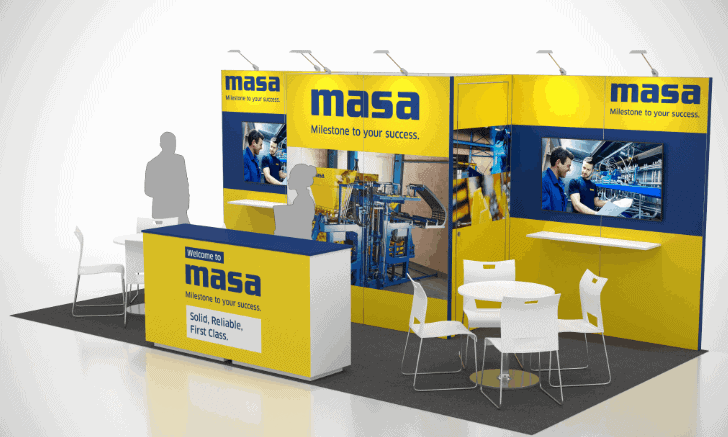
10x20 Orlando exhibition stand rental with reception counter and meeting areasCatalog exhibit photography
Make your presence impossible to miss

10 x 20 Orlando Booth Rental D-2

Make this 10x20 exhibit the place prospects choose to stop, explore, and start a meaningful conversation. We shape the layout, graphics, and show services around your brand and event goals—so your team arrives ready to attract attention and turn traffic into opportunity.

  • 200 sq ft of space to welcome, demonstrate, and connect
  • Tailored graphics, layout, labor, and logistics for your specific show
  • Review project pricing after we align the experience to your goals

Exhibit designs can be adapted to your brand and show requirements. Final availability, configuration, services, schedule, and pricing are confirmed in your project quote.

Protected live inventory

Live exhibition stand directions for Switzerland teams

Product identity, photography, approved descriptions, video, and pricing states come directly from the protected Exhibit Catalog.

Checking active rental stands…Every project quote confirms the final exhibit scope, services, schedule, and pricing for your show.
Updating matching exhibits…No filters applied. Browse every active rental stand below.
Loading active exhibits…
Country-to-Orlando project review

Bring the show, assigned space, products, and decision team.

The quote review can identify the stand direction, graphics inputs, named freight and customs-provider boundary, venue inputs, field scope, assumptions, exclusions, and project-specific pricing.

Request a project review
Related planning

Continue with Orlando facts and live stand options

Planning answers

Frequently asked questions

These answers match the structured data supplied to search engines, so visitors and crawlers receive the same facts.

What does an Orlando trade show exhibit quote confirm?

The project quote confirms the supported exhibit direction, graphics, selected services, schedule, responsibilities, assumptions, exclusions, availability, and final pricing for the supplied event and booth assignment.

How do you plan an Orlando exhibit for a team based outside the United States?

Planning starts with the supplied show, venue, dates, booth assignment, goals, and exhibitor documentation. The project plan then connects exhibit direction, artwork checkpoints, freight routing inputs, independent field responsibilities, approvals, and commercial confirmation. Any customs or international freight-forwarding services must be identified with the responsible provider in the quote.

How early should exhibit planning begin?

Begin when the event dates, booth assignment, and current exhibitor information are available. The active show manual and confirmed project schedule set the design, artwork, freight, venue-service, and independent labor checkpoints in writing.

How are installation and dismantle responsibilities handled?

The project scope identifies the required installation and dismantle work, timing, handoffs, and independent labor dependencies. Venue providers, show contractors, and third-party labor remain separate organizations whose rules, schedules, and charges are confirmed for the specific event.

What is included in an exhibit rental price?

Your final quote lists the included exhibit components, graphics, selected furnishings or technology, logistics, field scope, and other approved services line by line. Public prices appear only for explicitly affordable source records; every other exhibit is priced through a project-specific quote.

Can you produce custom graphics for the exhibit?

Yes. In-house graphics capabilities support artwork review, production direction, finishing, and install-ready handling. The quote and project schedule identify the approved graphic scope, file requirements, proofing checkpoints, and delivery responsibilities.

How are freight and storage requirements planned?

The project plan can define inbound routing, advance-warehouse or direct-to-show requirements, material-handling dependencies, dismantle, outbound routing, return handling, and storage responsibilities. The active event documents and final quote determine which steps are included.

What information should I send to request an Orlando exhibit quote?

Send the event name, venue, dates, booth size and location, current exhibitor manual or service-kit information, design direction, required functions, artwork status, timing, and budget range. The guided quote form captures the core project inputs and preserves the selected exhibit or page context.
Ready when you are

Bring the show details. We’ll build the plan.

Share your space, timing, exhibit needs, and design vision in a guided five-step request. A phone option is always available.

Start the Quote Quote response within 24 hours
(689) 698-5890