01Separate the architecture from imported goodsWhy rent the Orlando stand locally
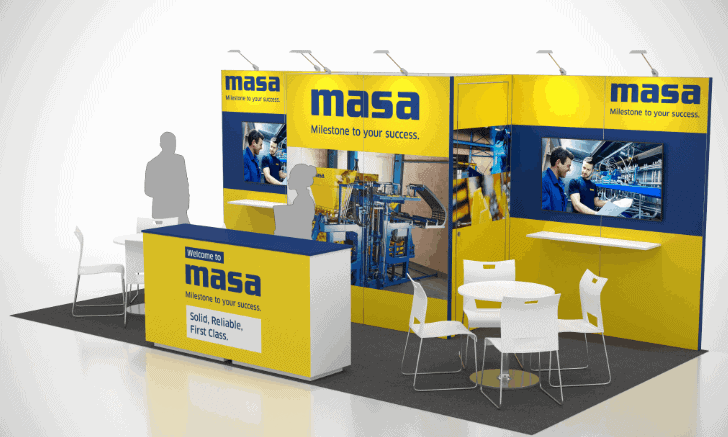
Renting an exhibition stand domestically provides a strategic alternative to shipping a complete structure from Germany. The project proposal confirms included work and named responsibilities, which typically cover the fabrication, installation, and dismantling of the rented architecture. This approach separates the physical trade show booth from imported products, samples, equipment, and giveaways. Utilizing domestic inventory and production resources coordinates the structural elements with U.S. venue requirements and material handling procedures. By sourcing the architecture locally, exhibitors focus their international logistics on the specific items required for their display and demonstrations. This division clarifies the project scope and aligns the physical structure with the domestic production schedule, avoiding the complexities of international freight for heavy booth components. This method supports a streamlined preparation process for the event.
02Assign border work to the right providerFreight and customs from Germany
Exhibitors from Germany must assign all imported goods to a separately identified freight forwarder or customs provider. The project proposal confirms included work and named responsibilities, which do not cover international shipping, border clearance, or duties. ATA Carnet is one conditional option for qualifying temporary goods, such as specialized equipment or display items; however, consumables and goods intended for sale are not covered by this document. Coordinating with a dedicated customs provider establishes the required documentation and timelines for international transit. Separating the physical exhibit structure from imported products, samples, equipment, and giveaways clarifies the logistics chain. This division of responsibilities coordinates the arrival of international shipments with the domestic production and installation schedule at the venue, preventing delays at the border. Proper planning mitigates the risks associated with cross-border transportation and regulatory compliance. All imported-goods work must be assigned to a separately identified freight forwarder or customs broker.
03Use current organizer and venue documentsWhat changes in a U.S. show plan
Planning a trade show booth for U.S. events requires adherence to specific guidelines and operational procedures. Current organizer and venue documents control event-specific services, schedules, material handling, technology orders, and any field-provider requirements. Exhibitors from Germany must integrate these regulations into their project timeline and structural designs. The project proposal confirms included work and named responsibilities, aligning the exhibition stand with the venue's operational parameters. Coordinating the rented architecture with the specific requirements of the event coordinates the installation and dismantling processes. This structured approach aligns the physical structure with the established rules and schedules of the selected exhibition, facilitating a smooth on-site experience. Detailed preparation during this phase supports the complete execution of the project and helps avoid unexpected logistical challenges during the event.
04Berlin is the scheduling referenceTime-zone and communication plan
The time difference between Berlin and Orlando requires coordination for project communications and approvals. In August 2026, Berlin is 6 hours ahead of Orlando, and in January 2027, Berlin is 6 hours ahead of Orlando. This seasonal overlap requires careful scheduling of meetings, technical reviews, and deadline management. Establishing clear communication windows coordinates the flow of information between the exhibitor and the domestic production team. Aligning the project schedule with these time differences maintains the progression of the exhibition stand design, engineering, and fabrication phases, keeping the project on track. Proactive scheduling accommodates the geographical distance and supports effective collaboration.
05Start with verified sector fit, not an affiliation claimOrlando event research for Germany
Exhibitors from Germany participate in various U.S. events, including NPE: The Plastics Show, METALCON, and InfoComm. Orlando Stand Rentals is independent and is not affiliated with or endorsed by these events or their organizers. These exhibitions provide platforms for presenting products, technologies, and services to targeted audiences. The specific requirements for an exhibition stand vary based on the event's focus, the venue's regulations, and the exhibitor's objectives. Analyzing the specific characteristics of each event informs the design and functional requirements of the trade show booth. This evaluation coordinates the physical structure with the operational environment of the selected exhibition, optimizing the presentation for the intended audience. Tailoring the approach to the specific event supports the overall exhibition strategy.
06Move from brief to documented field scopeThe Germany-to-Orlando project path
The project sequence begins with a detailed brief that captures the exhibition stand requirements, technical specifications, and design objectives. This initial information forms the basis of the project proposal, which confirms included work and named responsibilities. Following approval, the project moves into the design and engineering phase, where structural plans and graphics are finalized. The production phase involves fabricating the trade show booth components and preparing them for deployment. The final stages include transportation to the venue, installation, and on-site coordination during the event. Documenting each phase in a central record coordinates the workflow from the initial concept to the final field execution, aligning the physical structure with the approved specifications and timeline. This systematic progression supports the timely completion of the exhibition stand.
07Control the file and decision recordArtwork, language, units, and reviews
Exhibitors from Germany coordinate design files, structural approvals, and production details through one centralized U.S. project record. The supplied planning focus is to preserve technical-review depth while translating metric specifications and approval comments into one controlled U.S. project record. All dimensions, weights, and technical specifications must be converted from metric to U.S. standard units and confirmed on each deliverable. Graphics, structural plans, and technical drawings must be submitted in English to align with U.S. production standards and venue requirements. Consolidating all revisions, technical feedback, and final approvals into a single documented system maintains version control and aligns the final exhibit with the agreed specifications. This structured approach coordinates the transition from initial design concepts to final fabrication and installation. Clear documentation prevents miscommunication during the production phase.
08Name the exhibitor, supplier, customs provider, organizer, and venue inputsScope and responsibility boundaries
The project proposal confirms included work and named responsibilities for the exhibition stand. Exhibitors from Germany are responsible for providing accurate project inputs, approving designs, and managing their own travel, accommodations, and staff. All imported goods must be assigned to a separately identified freight forwarder or customs provider. Current organizer and venue documents control event-specific services, schedules, material handling, technology orders, and any field-provider requirements. The proposal defines the boundaries between the rented architecture and the exhibitor's imported products, samples, equipment, and giveaways. This structured division of responsibilities coordinates the various elements of the trade show booth deployment and aligns the project with the established venue and organizer guidelines, establishing clear expectations for all parties involved. Defining these roles supports the organized execution of the project.