01Separate the architecture from imported goodsWhy rent the Orlando stand locally
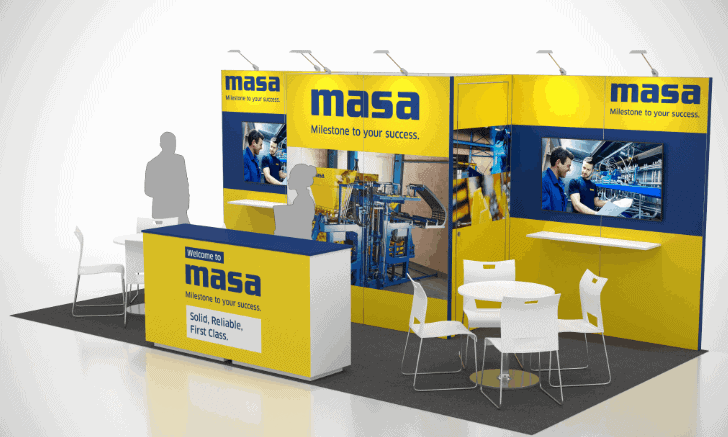
Sourcing a rented exhibition stand locally in Orlando presents a distinct operational model compared to building a structure in Sweden and shipping it across the Atlantic from Stockholm. Utilizing a domestic provider eliminates the need to transport heavy architectural components internationally, removing the associated freight costs and border clearance variables for the structure itself. The project proposal confirms included work and named responsibilities, detailing the specific elements provided for the trade show booth. This approach allows the exhibiting team to focus their logistical efforts on the items that must travel, such as proprietary products, specialized demonstration equipment, and marketing collateral. By separating the rented architecture from the imported goods, the team can streamline their event preparation and allocate their resources effectively. The rented trade show booth adapts to the specific spatial and structural guidelines of the selected venue.
02Assign border work to the right providerFreight and customs from Sweden
When bringing physical items from Sweden to the United States, all imported goods must be assigned to a separately identified freight forwarder or customs broker. The ATA Carnet is one conditional option for qualifying temporary goods, such as specialized demonstration equipment or reusable displays. It is important to note that consumables and goods intended for sale are not covered by this document and require standard import procedures. The project proposal confirms included work and named responsibilities, which do not extend to international shipping or border clearance. Coordinating these logistics independently allows the exhibiting team to track the arrival of their materials. Proper documentation and early engagement with a qualified professional help maintain the project schedule and support the timely delivery of items to the trade show booth. Distinguish rented architecture from imported products, samples, equipment, and giveaways when planning the shipment.
03Use current organizer and venue documentsWhat changes in a U.S. show plan
Preparing for an event in the United States requires adherence to the specific guidelines established for each gathering. Current organizer and venue documents control event-specific services, schedules, material handling, technology orders, and any field-provider requirements. These manuals dictate the operational parameters for the exhibition stand, including move-in times and safety standards. The project proposal confirms included work and named responsibilities, aligning the build with these external constraints. Exhibiting teams must review the exhibitor manual to understand the rules governing the trade show booth and to coordinate any necessary third-party services. By integrating these requirements into the planning process, the team can navigate the venue regulations and support the structured execution of their event strategy. This careful review of the event documentation forms the foundation for a structured approach to the upcoming exhibition.
04Stockholm is the scheduling referenceTime-zone and communication plan
The time difference between Stockholm and Orlando requires careful scheduling during the planning phases of the exhibition stand. In August 2026, Stockholm is 6 hours ahead of Orlando, and in January 2027, Stockholm is 6 hours ahead of Orlando. It is necessary to recheck the specific meeting date to account for any changes related to daylight saving time adjustments in either location. To maintain project momentum, teams should schedule design reviews inside the Nordic workday and define which digital assets, products, and people travel. Establishing clear communication windows helps coordinate the development of the trade show booth across the two time zones.
05Start with verified sector fit, not an affiliation claimOrlando event research for Sweden
Orlando hosts numerous events that align with various industries, including InfoComm, NPE: The Plastics Show, and Future of Education Technology Conference. These gatherings provide platforms for companies to present their products, engage with attendees, and participate in industry discussions. Orlando Stand Rentals is independent and is not affiliated with or endorsed by these events or their organizers. Exhibiting teams can use these specific events as sector research starting points to evaluate the audience demographics, floor plans, and participation requirements. Understanding the focus of each gathering helps organizations determine how an exhibition stand can support their objectives. A well-planned trade show booth provides a dedicated space for demonstrations and meetings within the broader context of the event.
06Move from brief to documented field scopeThe Sweden-to-Orlando project path
The process begins with an initial brief that outlines the goals, layout requirements, and functional needs for the exhibition stand. This information is translated into a detailed design concept and a formal project proposal. The project proposal confirms included work and named responsibilities, establishing the scope of the build. Once the design is approved and the contract is signed, the focus shifts to engineering and material preparation. The trade show booth is then prepared and staged for a final quality review before being transported to the venue. At the event, the structure is assembled according to the approved plans. After the show concludes, the components are dismantled and removed from the floor, completing the physical lifecycle of the project.
07Control the file and decision recordArtwork, language, units, and reviews
Exhibiting teams provide the initial design concepts, brand guidelines, and high-resolution digital assets required for the exhibition stand. To maintain alignment across borders, all submitted files must be clearly labeled and version-controlled. Because production occurs in the United States, it is necessary to label and confirm units on each deliverable to avoid conversion errors during the transition from metric to U.S. standard measurements. The project proposal confirms included work and named responsibilities, detailing the timeline for submitting artwork and approving the final proofs. English is the standard language for all documentation, contracts, and production communications. Establishing a structured review process allows the team to verify that the physical trade show booth accurately reflects the approved digital designs before the build begins.
08Name the exhibitor, supplier, customs provider, organizer, and venue inputsScope and responsibility boundaries
The project proposal confirms included work and named responsibilities, establishing the boundaries of the exhibition stand build. This document details the specific architectural elements, graphics, and furnishings provided for the trade show booth. The exhibiting team retains responsibility for their travel arrangements, product shipments, and staff training. All imported goods must be assigned to a separately identified freight forwarder or customs broker, as international logistics are handled independently. Current organizer and venue documents control event-specific services, schedules, material handling, technology orders, and any field-provider requirements. Understanding these distinct roles allows the team to coordinate effectively with the venue, the event organizer, and their chosen logistics partners, maintaining a structured approach to the overall event execution.