Rome scheduling reference

Exhibiting in Orlando from Italy Stand Rental Planning Guide

Separate the rented architecture, imported goods, artwork reviews, organizer inputs, venue inputs, and quoted field scope before the project moves forward.

Plan a Italy-to-Orlando exhibition stand with conditional customs guidance, time-zone reviews, verified events, and defined project responsibilities.

Request a Custom Quote Quote response within 24 hours
Call (689) 698-5890
Since 2014Operating experience500+Builds completedOrlando facilityPresidents Drive operations
Editorial concept for Italy exhibitors planning an Orlando exhibition stand
International project planningItaly to Orlando stand planning
Operating since 2014Established exhibit program experience
500+ builds completedAcross varied footprints and programs
In-house graphicsArtwork preflight, production, and finishing
Nationwide logisticsShow-to-show and return routing support
Country-specific Orlando planning

Plan the stand, imported goods, approvals, and field inputs as separate workstreams

This guide is written for a team using Rome as its scheduling reference. It does not imply an office, affiliate, customer history, customs service, or fixed scope in Italy.

  • Locally rented exhibition stand architecture
  • Imported product and sample decisions
  • Artwork and technology reviews
  • Current organizer and venue inputs
Substantive country guide

Exhibiting in Orlando from Italy

Eight independent planning sections connect the country team’s review cadence to a source-bounded Orlando project plan.

01Separate the architecture from imported goods

Why rent the Orlando stand locally

When preparing for an exhibition stand in Orlando, distinguishing rented architecture from imported products, samples, equipment, and giveaways forms the foundation of the physical presentation. Sourcing the structural elements of a trade show booth within the destination market reduces the volume of heavy materials crossing international borders. Instead of crating and shipping large wall panels, flooring systems, and structural supports from Italy, teams can rent these architectural components directly. This approach separates the core environment from the proprietary items that must travel. The rented architecture provides the physical framework, while the imported products, specialized equipment, and promotional giveaways remain the distinct items requiring international transport. Focusing on this separation allows teams to allocate resources toward the specific items that define their brand presence rather than moving heavy structural components.

02Assign border work to the right provider

Freight and customs from Italy

Importing materials from Italy requires assigning all goods to a separately identified freight forwarder or customs broker. The ATA Carnet functions as one conditional option for qualifying temporary goods entering the destination market. This document applies to specific categories of professional equipment and commercial samples intended to return to the origin country. It is important to note that consumables, brochures, and goods intended for sale are not covered by this temporary import option. Teams must evaluate their inventory to determine which items qualify for temporary entry and which require standard customs clearance. The assigned customs broker coordinates the documentation and clearance procedures for all shipments. Coordinating with these specialized providers establishes the framework for moving proprietary items, specialized equipment, and promotional materials across borders while adhering to established import protocols.

03Use current organizer and venue documents

What changes in a U.S. show plan

Current organizer and venue documents control event-specific services, schedules, material handling, technology orders, and any field-provider requirements. The exhibition stand planning process relies on these published guidelines to structure the operational timeline. Each venue maintains specific protocols for accessing the facility, moving materials to the designated space, and connecting required utilities. The trade show booth design must align with the structural limitations and safety guidelines detailed in the exhibitor manual. Teams must review the targeted move-in schedules to coordinate the arrival of structural components and imported materials. The organizer documents define the parameters for suspended elements, lighting configurations, and line-of-sight restrictions. Following these event-specific guidelines establishes the operational boundaries for the physical presentation and guides the integration of technology and utility services within the designated space.

04Rome is the scheduling reference

Time-zone and communication plan

The time difference between Rome and the destination market requires specific attention during the planning phase. In August 2026, Rome is 6 hours ahead of Orlando, and in January 2027, Rome remains 6 hours ahead of Orlando. This seasonal overlap guidance helps structure communication schedules and document reviews. Teams must recheck the specific meeting date to confirm the exact time difference for their event. Coordinating reviews across this time gap requires establishing clear response windows for design approvals and operational decisions. The exhibition stand preparation process benefits from acknowledging these hours of overlap to maintain the project timeline.

05Start with verified sector fit, not an affiliation claim

Orlando event research for Italy

Evaluating the destination market involves reviewing established events to understand the physical presentation environment. METALCON, The Global Produce & Floral Show, and Florida Restaurant Show serve as sector research starting points for teams planning their trade show booth. Analyzing the structural approaches and spatial configurations at these events provides context for the destination market. Orlando Stand Rentals is independent and is not affiliated with or endorsed by these events or their organizers. The exhibition stand design process incorporates insights from these environments to align the physical presentation with the spatial dynamics of the venue. Reviewing these events helps teams understand the scale and structural requirements typical of the destination market.

06Move from brief to documented field scope

The Italy-to-Orlando project path

The project sequence moves from the initial brief to the final field execution through a documented process. The primary focus is to translate design intent, product-display detail, and metric specifications into a controlled Orlando production brief. This progression requires converting the conceptual trade show booth requirements into actionable structural plans. The exhibition stand development relies on clear documentation of spatial needs, utility connections, and material specifications. Each phase of the project path builds upon the approved production brief to guide the fabrication and preparation of the structural components. The documented sequence establishes the operational steps required to transition the physical presentation from the planning phase to the designated venue space.

07Control the file and decision record

Artwork, language, units, and reviews

Managing the visual elements of the trade show booth requires specific attention to measurement standards and language requirements. Teams must label and confirm units on each deliverable to maintain accuracy during the production process. The exhibition stand graphics and structural plans must utilize consistent measurement systems to guide the physical preparation. The artwork approval process relies on established version-control guidance to track revisions and confirm the final production files. All visual components and structural documents must align with the approved production brief before moving to the fabrication phase. Coordinating these details through a documented review process establishes the framework for producing the physical presentation elements according to the specified requirements.

08Name the exhibitor, supplier, customs provider, organizer, and venue inputs

Scope and responsibility boundaries

Defining the operational boundaries for the exhibition stand clarifies the roles of all involved parties. The project proposal confirms included work and named responsibilities for the structural preparation and physical presentation. The exhibitor coordinates the proprietary items, specialized equipment, and promotional materials required for the trade show booth. The assigned customs provider handles the documentation and clearance procedures for all imported goods. The organizer and venue establish the operational parameters, move-in schedules, and safety guidelines for the designated space. Documenting these boundaries within the project proposal establishes the framework for coordinating the structural components, imported materials, and venue services during the preparation and execution phases. This structured approach maintains clear lines of communication.

Verified sector research

Current Orlando event starting points for Italy teams

The editorial guide explains why these current event records may be relevant by sector. Official organizer pages remain the authority for participation, dates, and exhibitor requirements.

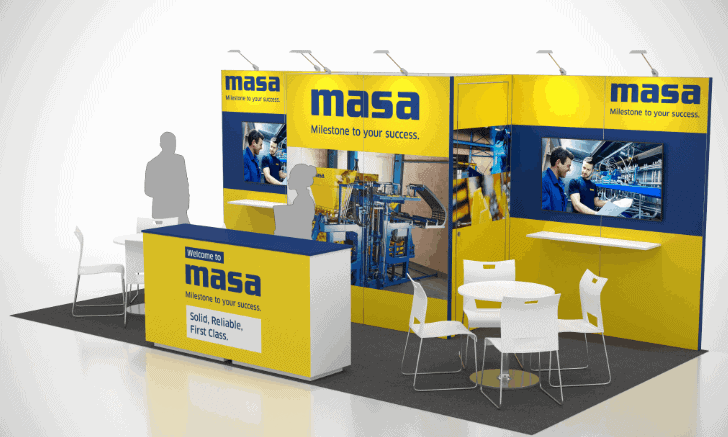
10x20 Orlando exhibition stand rental with reception counter and meeting areasCatalog exhibit photography
Make your presence impossible to miss

10 x 20 Orlando Booth Rental D-2

Make this 10x20 exhibit the place prospects choose to stop, explore, and start a meaningful conversation. We shape the layout, graphics, and show services around your brand and event goals—so your team arrives ready to attract attention and turn traffic into opportunity.

  • 200 sq ft of space to welcome, demonstrate, and connect
  • Tailored graphics, layout, labor, and logistics for your specific show
  • Review project pricing after we align the experience to your goals

Exhibit designs can be adapted to your brand and show requirements. Final availability, configuration, services, schedule, and pricing are confirmed in your project quote.

Protected live inventory

Live exhibition stand directions for Italy teams

Product identity, photography, approved descriptions, video, and pricing states come directly from the protected Exhibit Catalog.

Checking active rental stands…Every project quote confirms the final exhibit scope, services, schedule, and pricing for your show.
Updating matching exhibits…No filters applied. Browse every active rental stand below.
Loading active exhibits…
Country-to-Orlando project review

Bring the show, assigned space, products, and decision team.

The quote review can identify the stand direction, graphics inputs, named freight and customs-provider boundary, venue inputs, field scope, assumptions, exclusions, and project-specific pricing.

Request a project review
Related planning

Continue with Orlando facts and live stand options

Planning answers

Frequently asked questions

These answers match the structured data supplied to search engines, so visitors and crawlers receive the same facts.

What does an Orlando trade show exhibit quote confirm?

The project quote confirms the supported exhibit direction, graphics, selected services, schedule, responsibilities, assumptions, exclusions, availability, and final pricing for the supplied event and booth assignment.

How do you plan an Orlando exhibit for a team based outside the United States?

Planning starts with the supplied show, venue, dates, booth assignment, goals, and exhibitor documentation. The project plan then connects exhibit direction, artwork checkpoints, freight routing inputs, independent field responsibilities, approvals, and commercial confirmation. Any customs or international freight-forwarding services must be identified with the responsible provider in the quote.

How early should exhibit planning begin?

Begin when the event dates, booth assignment, and current exhibitor information are available. The active show manual and confirmed project schedule set the design, artwork, freight, venue-service, and independent labor checkpoints in writing.

How are installation and dismantle responsibilities handled?

The project scope identifies the required installation and dismantle work, timing, handoffs, and independent labor dependencies. Venue providers, show contractors, and third-party labor remain separate organizations whose rules, schedules, and charges are confirmed for the specific event.

What is included in an exhibit rental price?

Your final quote lists the included exhibit components, graphics, selected furnishings or technology, logistics, field scope, and other approved services line by line. Public prices appear only for explicitly affordable source records; every other exhibit is priced through a project-specific quote.

Can you produce custom graphics for the exhibit?

Yes. In-house graphics capabilities support artwork review, production direction, finishing, and install-ready handling. The quote and project schedule identify the approved graphic scope, file requirements, proofing checkpoints, and delivery responsibilities.

How are freight and storage requirements planned?

The project plan can define inbound routing, advance-warehouse or direct-to-show requirements, material-handling dependencies, dismantle, outbound routing, return handling, and storage responsibilities. The active event documents and final quote determine which steps are included.

What information should I send to request an Orlando exhibit quote?

Send the event name, venue, dates, booth size and location, current exhibitor manual or service-kit information, design direction, required functions, artwork status, timing, and budget range. The guided quote form captures the core project inputs and preserves the selected exhibit or page context.
Ready when you are

Bring the show details. We’ll build the plan.

Share your space, timing, exhibit needs, and design vision in a guided five-step request. A phone option is always available.

Start the Quote Quote response within 24 hours
(689) 698-5890